A few gardening tips!

Injuries from gardening is a common presentation to the clinic. We often fine with the changes in season, people come out to garden and do too much the first time after a long break.
Orchid
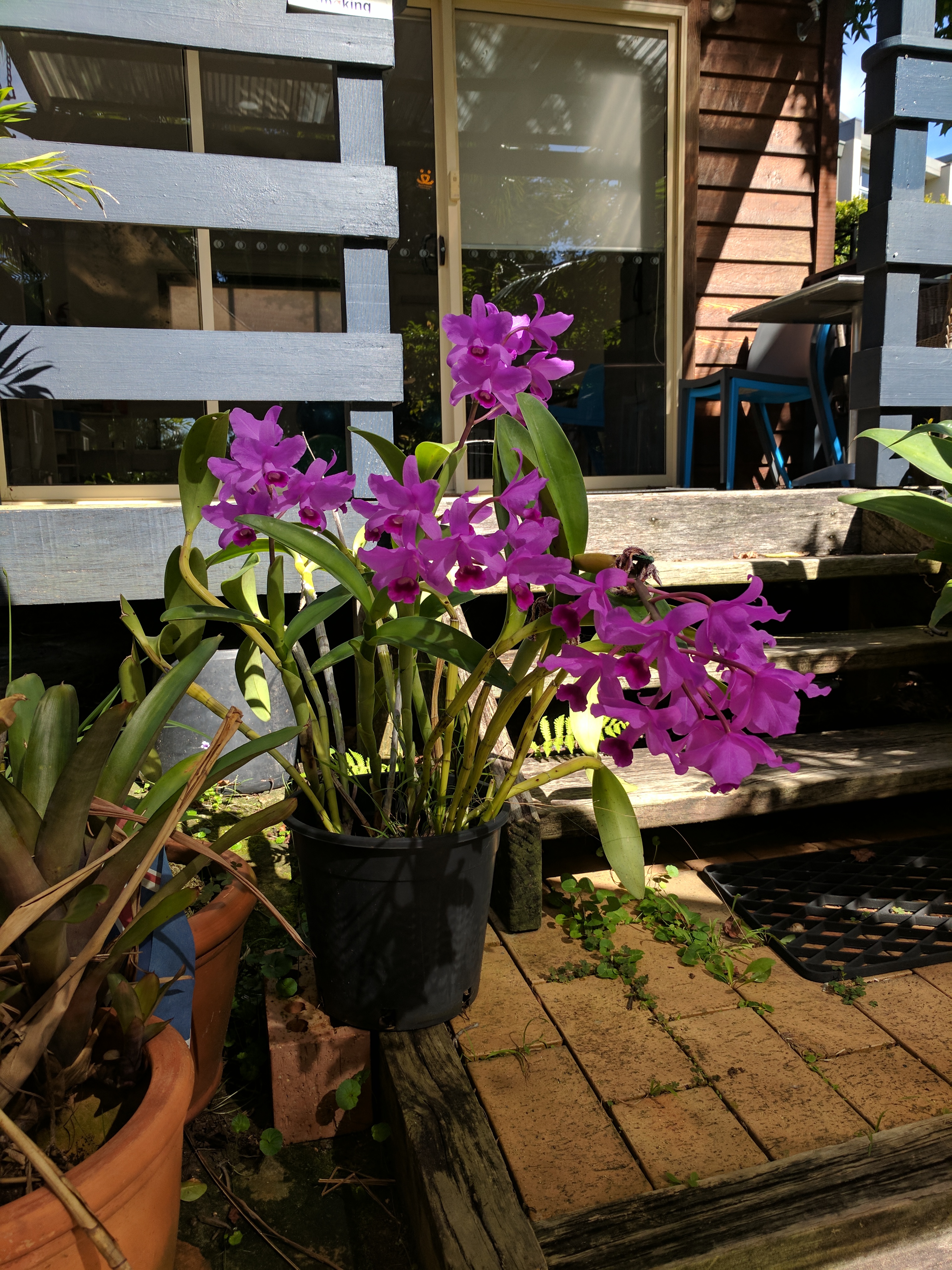
One of Neil’s Orchids at Mona Vale Chiropractic Centre


Gardening is a lot of repetitive movements, of which if not done correctly, could lead to injury. A few tips on ensuring a comfortable gardening session:

  •  Warm up! Walk and a few stretches before you start will ensure your body is ready to start an active session
  •  Reduce the amount of twisting – Twisting places an uneven strain on the muscles and joints. Make sure you squarely face whatever you are working on, this minimises the amount of twisting that can occur.
  •  Take regular breaks! Especially if you are just starting gardening after a long time off. Frequent breaks are a great way to minimise injury and let the body rest and recover. Every 15-20 minutes with a 5-minute break in between is a good start.
  •  Keep your elbows bent when digging – this reduce the amount of strain on the forearm muscles. If they are over worked too quickly tennis elbow can occur – a form of tendinopathy.
  •  Frequently switch sides when raking those autumn leaves, keep the knees and elbows both bent and make sure your grip is relaxed. Also, using a scissor stance is the most efficient technique.
  •  Kneeling on one knee is the best position for weeding
  •  Use your hips and legs when picking up pots – stand square on bend at the hips and knees while keeping your back straight (think hinging at the hips). Keep the pot as close to your body as possible and avoid twisting while holding it.
  •  Plant pots on a table, not the ground

The most important thing to remember is to pace yourself!

Mitchell Roberts – Chiropractor 
Ice or heat?

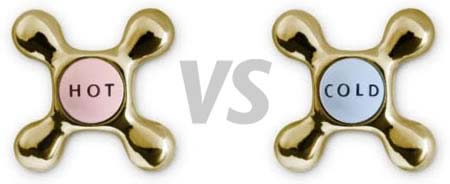
Ice or heat? Which is better?

I am often asked by patient which is best, ice or heat for an injury. The simple answer is that it depends on the type of injury and how long it has been there for.

Firstly, let’s see what impact ice and heat can have on the bodies tissues:

Ice:

  •  Decrease blood flow to an area
  •  Decrease swelling/inflammation
  •  Generalised numbing of an area
  •  Constrict/tighten muscles

Heat:

  •  Increase blood flow to an area
  •  Relaxation of tight muscles
  •  Increased movement/mobility

As you can see, ice and heat have opposite effects.


When to apply ice – Immediately  and up to 72 hours after an injury has occured, with the aim to reduce the pain and swelling. The most common areas being ankle, knee, wrist and shoulder. Use ice for a period of 20 minutes every 1-2 hours

When to apply heat:

  •  Chronic injuries – longer than 12 weeks
  •  Muscle or joint stiffness/tightness
  •  Osteoarthritic joints – warms the joint up, encourages blood flow to the area before moving
  •  Before exercise – especially that early morning golf tee-off


When not to apply ice – Onto burns or sensitive skin. Avoid using before or during exercise, as it may reduce the flexibility of a joint/muscle

When not to apply heat – On acute inflammation (swelling, redness or hot), open wounds and avoid using if you are diabetic.

If in doubt as to which one to use, ask your chiropractor!


Mitchell Roberts – Chiropractor

Instrument assisted soft tissue mobilisation (IASTM)

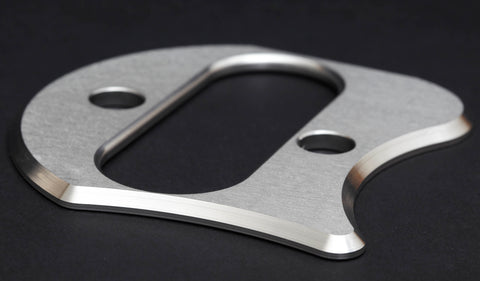
Instrument assisted soft tissue mobilisation is another form of treatment we use at Mona Vale Chiropractic Centre. It is a treatment involving using a stainless steel tool, such as the Edge Mobility Tool:
null
The tool allows for the diagnosis and treatment of soft tissue injuries (Muscle, ligament, tendons and fascia). The tool effectively breaks down scar tissue and adhesion’s within the soft tissues. The tool causes a micro-trauma to the tissues, resulting in a local inflammatory response. This in turn results in an increased vascular response leading to a remodeling of the collagen fibre matrix and a reduction in scar tissue.
Studies have shown an increase in range of motion, strength and a decrease in pain following IASTM treatment. (Melham, 1997)

IASTM is very effective for:

  • Neck and back pain
  • Plantar fasciitis
  • Tennis elbow (lateral epicondylalgia)
  • Shoulder pain / Rotator cuff injuries
  • Knee pain
  • Ankle Pain
  • Shin splints

References:
Melham, TJ, Sevier, TL, Malnofski,fckLRMJ, Wilson, JK, and Helfst, RH, Chronic ankle pain and fibrosis successfully treated with a new non-invasive augmented soft tissue mobilization (ASTM): A case report.fckLRMed Sci Sports Exerc.fckLR1997;fckLR30:801-804

Mitchell Roberts – Chiropractor


Another Year, Another Christmas

Christmas is a wonderful time of year where we can see the family, take some time off and enjoy the summer. I’m not the only one who thinks that the most wonderful thing about an Aussie Christmas is a swim on Christmas Day.

As we all know, Christmas can take a toll on our bodies, affecting our spine and nervous system. Christmas is a mixed experience of over indulging in Christmas cheer as well as lugging heavy presents around – not to mention the stress of getting everything ready for the big day. Not suprising that Christmas is a stressful period on the body in many ways. Here are a few Christmas survival tips;

If you are planning on doing lots of physical things during the holidays like renovations or taming the garden, take it easy. Listen to your body for warning signs that indicate subluxations such as strains, reduced range of motion, stiffness pain and soreness.

Remember your posture and good lifting techniques while working around the house, garden and garage (bend your knees not your spine & be careful of any combined bending/twisting action).

Anxiety, stress and depression are very common during the festive season. Take time out for you and your family and enjoy. Whether this be a holiday, hobby or just potting around. This is all good for your health and wellbeing.

Get enough sleep. Plan for some mid-day naps or early nights to help you cope with the “silly season”

Watch the alcohol intake and don’t overdo it. Alcohol will dehydrate you and is a depressant which will have negative effects of tiredness. The same thing applies to too much food. Have a salad or just fruit for a few meals each week.

Keep moving, plan for some walks, swimming and gentle exercise. If you are looking forward to the annual game of golf, tennis of a surf, remember start slowly. If you haven’t done that activity for a while take it easy and don’t over do it.

Keep your spine adjusted and subluxation free. Have a Chiropractic treatment or enjoy a massage to make sure that you are well prepared for the Christmas season.

Have a wonderful Christmas and a joyful New Year
From all of us at Mona Vale Chiropractic Centre

Voodoo Floss Compression Bands

Chiropractic treatments often involve alot more than you may initially expect. I have found that a new technique from the USA called voodoo floss banding gives great results.
Voodoo Floss Banding involves using a compression band wrapped around joints and muscles to improve range of motion and decrease swelling. It is very effective for ankles, knees, wrists, elbows, shoulders and strained muscles that have reduced motion, stiffness and pain. The compression and movement creates a shearing effect which restores sliding-surface function to the underlying tissues. Once the band is released, blood flows into poorly saturated joints and tissues.
It is also great for acute injuries where swelling is involved. Swelling can put a lot of pressure on nerve endings, reduce the joints range of motion and cause acute pain. The compression pushes the swelling into the lymphatic system where it can be drained. A lot of relief is felt immediately after.
Mitchell Roberts – Chiropractor

Why Do Horses Suffer Back Pain?

Horses are a unique animal. They are very large and can weigh 400kgs or more. Horses are also able to stand all day and night . Their incredible anatomy has a mechanism called the “Stay Apparatus” which allows the horse to switch on its’ Triceps muscle in the forelimbs and stabilise itself permitting it to sleep while standing with minimal muscular Activity. In fact horses can have remarkably little muscular tension.

Horses however do suffer with back problems and this can lead to lameness and gait difficulties . A phrase often used is “Cold Backed” . As we can all imagine for a horse with a sore back having a saddle and a rider on it’s back can be particularly uncomfortable. Chiropractic can help.

Animal Chiropractors are trained to assess animals for spinal lesions and joint and muscle lesions and injuries. Chiropractors can adjust the horses joints and vertebrae, plus release muscle tightness and strains. The result can be very dramatic as when a horse is treated you can often see the improvement immediately. This can give the horse a huge relief, particularly if he has to carry a saddle and rider . Horses are always quick to Thank-you for their adjustment with a grateful lick and shake.
Neil Gregory – Certified Animal Chiropractor

Ilio-Tibial Band Syndrome (ITBS)

ITBS affects many people who exercise regularly and is very common in long distance runners. It occurs from the band compressing against the lower part of the femur (the bone just above the outside of the knee) As every body is unique, I have found that a co-ordinated approach with Chiropractic treatment and appropriate rehabilitation focussed exercise gives the best results. Consequently any treatment for ITBS should involve a multi-modal approach that looks at areas above and below the site of pain and not just the source of the pain.

Firstly, a biomechanical assessment of the lumbar spine, hips, knees and ankles is essential in determining the cause of ITBS. Muscle length and strength testing is performed to determine areas of tightness/weakness.

Chiropractic adjustments of the lumbar spine, hips and ankles can be used to ensure free movement is occurring at surrounding joints. Through releasing and strengthening certain muscles that act on the IT band, we can reduce the tension on the band. Stretching and home rehab exercises work in tandem with the treatment provided by the Chiropractor to help manage and prevent the injury from returning.

Mitchell Roberts – Chiropractor

Scenar helps heal scars

I have been treating the multiple scars that I have inherited from my recent wrist operations and have been amazed at how Scenar not only reduces the scars, but also softens the skin tissue surrounding the scar, increasing plasticity of the skin.

If you have unslightly and irritating scars you will know that with scars you usually get celloid formations (lumpy tissue around the scar) Scenar works on scars by stimulating blood flow and nerve supply to promote and speed up the healing process. Scenar improves your lymphatic flow which will always be benificially to your circulation and general health. A further benefit that patients have reported is a reduction or even total loss of the pain, numbness and sensitivity that is associated with scaring.

Neil Gregory – Chiropractor